
Short answer: The Happy Trunk (thehappytrunk.com) is a children’s activity brand that made its name with monthly subscription boxes of hands-on arts, crafts and STEAM projects for kids aged 3 to 11, shipped to your door with every material included. Today its website presents the brand as a broader child-development platform — milestone tracking, personalized learning plans and 200+ expert-designed activities — built by a team that includes child psychologists and educators. Either way you meet it, the core promise is the same: structured, screen-light, creative play that parents do not have to plan themselves.
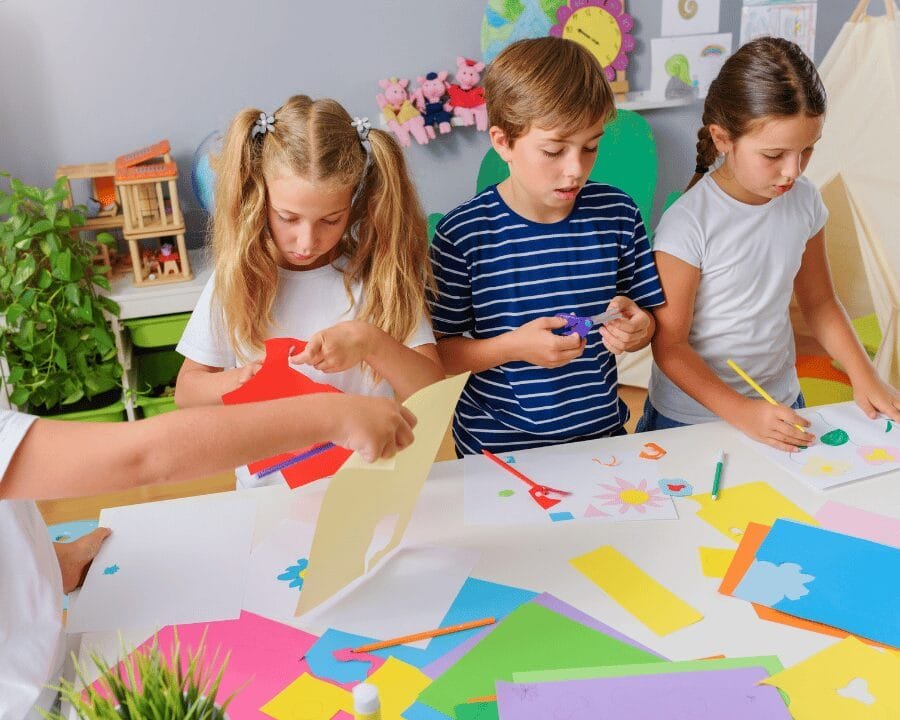
What Is The Happy Trunk?
The Happy Trunk began as a classic subscription-box business for children. Each monthly “trunk” arrived as a pre-planned, ready-to-go activity set containing two to three projects — arts and crafts, science experiments and creative play — with all the materials in the box. Parents chose between two age bands: a trunk for 3 to 7 year olds and one for 8 to 11 year olds. Contemporary gift guides and reviews praised exactly that convenience: a box of surprises that kept young minds exploring, delivered monthly, with nothing extra to buy. Historical listings put kit prices starting at $19.95.
The current website tells the story at a larger scale. Its About page describes a comprehensive digital platform for child development, created by dedicated experts, child psychologists and educators, offering parents tools to track and support developmental milestones. The company reports figures including a community of more than 50,000 families, 200+ expert-designed activities, support for 20+ languages and personalized learning plans — figures we cite as the company’s own published claims. The through-line between the box era and the platform era is consistent: expert-designed activities that help children explore, learn and hit their milestones, whether they arrive in a cardboard trunk or through a learning plan.
Key Features
1. Age-banded activities
Content is split for younger children (3–7) and older kids (8–11), so projects match developmental stage rather than aiming at a generic “kids” audience — the younger band leans into crafts and sensory play, the older into STEAM experiments and more independent builds.
2. Everything included
The boxes were designed to be self-contained: materials for each project came in the trunk, so parents did not need a craft cupboard or a shopping trip before starting. Reviewers testing the service confirmed kits arrived complete — one STEAM box paired a self-siphoning “goo” project with tie-dye tile art, and a mini terrarium kit needed nothing but water.
3. STEAM and creativity kits beyond the subscription
Alongside monthly boxes, the store sold individual creativity kits, science kits and seasonal items such as stocking stuffers — a try-before-you-subscribe route for cautious parents.
4. Expert design and milestone focus
The brand’s current positioning centers on child psychologists and educators designing activities around developmental milestones, with personalized learning plans adapting to a child’s progress — a more structured promise than a random toy box.
5. Parent-controlled and child-safe by design
As independent reviewers have noted, children do not create accounts, chat with strangers or enter open online communities; purchasing and management sit entirely with parents, and the activities themselves are offline and supervised. In an era when even celebrity parents debate screen time — a theme running through TheWorthWire’s celebrity family coverage — that design choice is a genuine selling point.
What Reviewers Actually Found in the Box
Hands-on reviews from the box era give the clearest picture of the product in practice. One family reviewer who tested both a monthly STEAM box and an individual kit described the STEAM box as containing a self-siphoning goo project alongside tie-dye tile art, with everything needed included. The individual kit was a mini terrarium: a jar, seeds, rocks, a soil pod, moss and shells to build a small ecosystem — just add water. The sealed terrarium needed no further watering, and within a couple of days the seeds were sprouting, which turned a one-afternoon craft into a small ongoing science observation. That pattern — a project that keeps developing after the box is “finished” — is what separated the brand from disposable craft sets.
An independent 2025 review of the service reached similar conclusions from the business side: the model works because the boxes are self-contained, arrive on a recurring schedule without re-ordering, and are deliberately structured as guided experiences rather than loose piles of supplies. The same review emphasized the parent-controlled design — no child accounts, no chats, no open communities — as the core of its safety case. Combined with gift-guide coverage that placed the trunks alongside the season’s standout children’s products, the critical consensus was consistent: the quality control is in the curation.
How The Happy Trunk Works
- Choose by age and interest. Parents select the plan or kit that matches their child’s age band — 3–7 or 8–11.
- The trunk is curated and shipped. A themed box with two to three projects is prepared and delivered to your door, typically toward the end of the month for subscribers.
- Open and start. Materials and instructions are inside; children work through the activities at their own pace, with a parent nearby for the youngest.
- Track the growth. In the brand’s current platform framing, activities connect to developmental milestones and personalized learning plans that adapt as skills grow.
Pricing
Historical pricing is well documented: kits started at $19.95 in the brand’s subscription-box era, with monthly subscriptions at a similar entry point. The Happy Trunk’s current storefront pricing is not something we can verify from public sources at the time of writing, and plans in this category commonly change, so check thehappytrunk.com directly for today’s figures before budgeting. What the historical record does establish is the positioning: this was always a mid-priced, giftable subscription rather than a premium one.
Pros and Cons
| Pros | Cons |
|---|---|
| All materials included — no prep or extra shopping | Current pricing and plan details are not clearly published in third-party sources |
| Age-banded projects for 3–7 and 8–11 year olds | The brand’s shift from boxes to platform can confuse returning customers |
| Hands-on STEAM and craft learning, screen-light by design | Company outcome statistics are self-reported, not independently audited |
| No child accounts, chats or online exposure | Physical box availability has varied over the years |
| One-off kits available as a low-risk trial | Two to three projects per box may not fill a whole month for keen kids |
The Happy Trunk vs Generic Craft Subscriptions
| Factor | The Happy Trunk | Typical Craft Box |
|---|---|---|
| Age targeting | Two clear bands: 3–7 and 8–11 | Often one mixed range |
| Design input | Child psychologists and educators (company claim) | Varies; rarely stated |
| Developmental framing | Milestone tracking and learning plans | Usually entertainment only |
| Materials | Included and self-contained | Usually included |
| Child’s online exposure | None — parent-managed, offline activities | Companion apps are common |
Who Is The Happy Trunk For?
It is built for busy parents and gift-givers — grandparents included — who want ready-made, educational activities for children aged 3 to 11 without planning projects or buying supplies, and who prefer hands-on play over another app. Families building a calm, creative home environment — the kind of family-first lifestyle we see in celebrity home features and in the routines of sporting families — are exactly its audience.
Verdict
The Happy Trunk earns a favorable verdict on the strength of a simple, well-executed idea: expert-designed, age-appropriate, fully stocked activity boxes that respect both children’s development and parents’ time. The caveats are about clarity, not quality — confirm the current format and price on the official site before subscribing, and treat the headline outcome statistics as the company’s own. Do that, and it remains one of the more thoughtful names in children’s activity subscriptions.
Frequently Asked Questions
What ages is The Happy Trunk for?
Children aged 3 to 11, split into two bands: trunks for 3 to 7 year olds and trunks for 8 to 11 year olds, with activities matched to each developmental stage.
What comes in a Happy Trunk box?
Two to three projects per box — arts and crafts, science experiments and creative play — with all materials included, so families can start without buying anything extra.
Is The Happy Trunk safe for children?
Yes, by design. Children do not create accounts, chat or join online communities; parents handle all purchasing and management, and the activities are physical, offline and supervised.
How much does The Happy Trunk cost?
Historically, kits and subscriptions started at $19.95. Current pricing should be confirmed on thehappytrunk.com, as plans in this category change over time.
Can I buy a single kit without subscribing?
Yes — alongside subscriptions, the brand has sold individual creativity kits, science kits and seasonal items, which make a sensible trial or gift before committing to a monthly plan.
Pingback: Termis Beans: Complete Guide & Review (2026) — Egypt's Beloved Lupini Bean Snack - Celebrity Net Worth, Bio & Success
Pingback: Osnovno Učilište: Complete Guide (2026) — Primary School in North Macedonia and Bulgaria Explained - Celebrity Net Worth, Bio & Success
Pingback: What Colors Make Green: Complete Guide (2026) — Mixing, Shades and Pro Tips