
George Foreman net worth has remained one of the most talked-about topics in sports and business because his fortune came from much more than boxing. While Foreman earned millions as a two-time heavyweight boxing champion and Olympic gold medalist, the majority of his wealth was built through smart business decisions, endorsements, licensing agreements, and long-term investments. His financial journey is widely regarded as one of the greatest transformations from athlete to entrepreneur.
Unlike many professional athletes who rely primarily on prize money, George Foreman created multiple income streams that continued generating revenue long after he retired from the ring. His partnership with the George Foreman Grill became one of the most successful celebrity licensing deals in history, proving that strategic branding can outperform even an extraordinary sports career.
This article explores George Foreman net worth, career earnings, business ventures, investments, assets, lifestyle, and the financial milestones that made him one of the wealthiest boxers of all time.
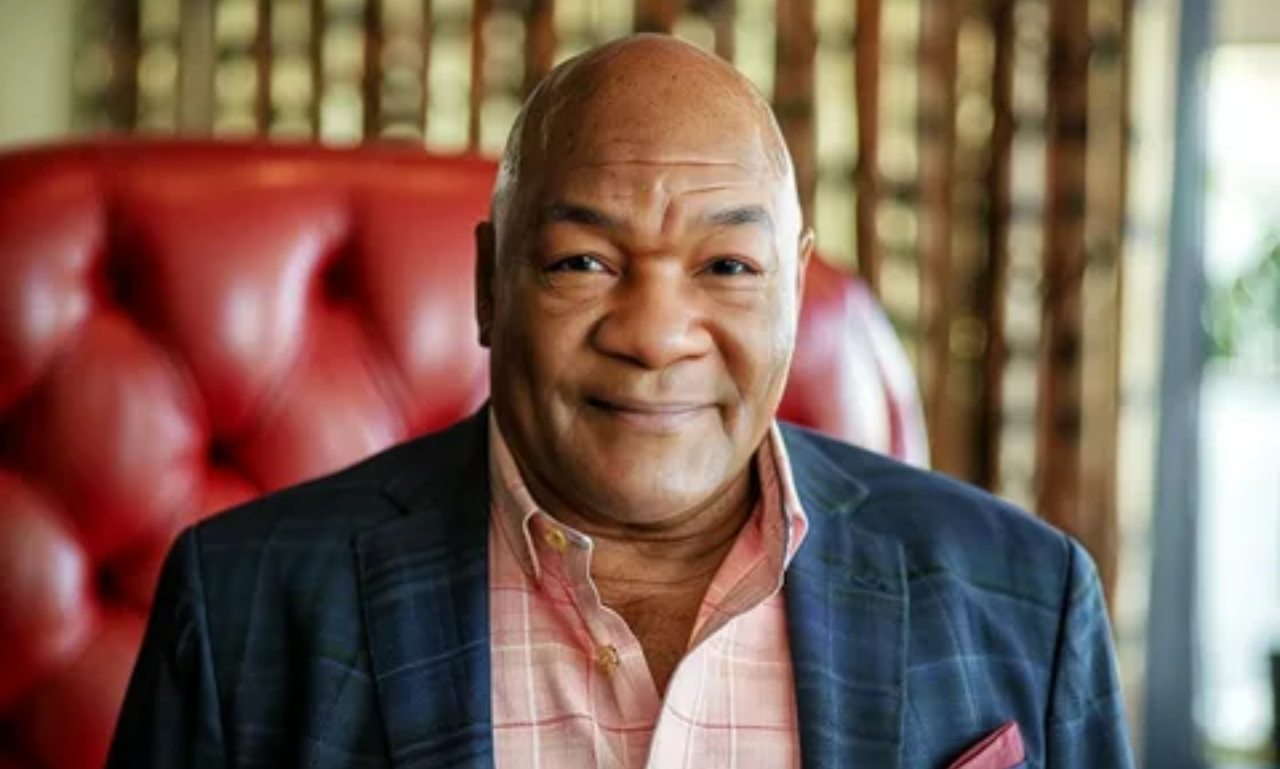
George Foreman Quick Facts
| Information | Details |
| Full Name | George Edward Foreman |
| Nickname | Big George |
| Birth Date | January 10, 1949 |
| Age | 76 years (at the time of his passing in 2025) |
| Birthplace | Marshall, Texas, United States |
| Nationality | American |
| Profession | Former Professional Boxer, Entrepreneur, Minister, Author |
| Years Active | 1967–1997 (boxing) |
| Estimated Net Worth | Approximately $300 Million |
| Marital Status | Married to Mary Joan Foreman |
| Children | 12 |
| Olympic Medal | Gold Medal (1968 Mexico City Olympics) |
| Major Business | George Foreman Grill |
George Foreman Net Worth
George Foreman’s estimated net worth is around $300 million, making him one of the richest heavyweight boxers in history. Although his championship fights earned him millions of dollars throughout his boxing career, the largest portion of his wealth came from business ventures rather than prize money.
Foreman’s financial success demonstrates how athletes can build lasting wealth by combining personal branding with strategic investments. After retiring from boxing, he expanded his income through television appearances, motivational speaking, books, endorsements, and product licensing. His most famous venture—the George Foreman Grill—became a household appliance sold in more than 100 million units worldwide, generating extraordinary royalty payments.
His wealth also benefited from careful financial planning, diversified investments, and ownership of real estate. Unlike many retired athletes who face financial hardship, Foreman successfully transitioned into a respected businessman while maintaining his public image as a trusted celebrity.
Financial Overview
| Source | Estimated Contribution |
| Professional Boxing | Significant |
| George Foreman Grill Licensing | Largest Source |
| Brand Endorsements | High |
| Television & Media | Moderate |
| Books & Publishing | Moderate |
| Speaking Engagements | Moderate |
| Investments | High |
| Real Estate | High |
How George Foreman’s Wealth Grew
George Foreman’s financial journey can be divided into three major phases:
- Boxing Success (1967–1977): Built his first fortune by becoming Olympic champion and heavyweight world champion.
- Historic Comeback (1987–1997): Returned to boxing and regained the heavyweight title at age 45, dramatically increasing his earnings and global popularity.
- Business Empire: Leveraged his fame into licensing deals, endorsements, investments, and entrepreneurial ventures that ultimately surpassed his boxing income.
One of the biggest lessons from George Foreman’s career is that long-term financial success often comes from building valuable business assets rather than relying solely on professional earnings.
Income Sources
George Foreman’s impressive fortune was created through multiple income streams that continued producing wealth throughout his life. Rather than depending on one source of income, he built a diversified financial portfolio that included sports earnings, business ventures, endorsements, investments, and media opportunities.
Professional Boxing Earnings
George Foreman earned millions throughout his legendary boxing career spanning three decades.
Major title fights against boxing icons such as Muhammad Ali, Joe Frazier, Michael Moorer, Evander Holyfield, Tommy Morrison, and Ron Lyle generated enormous purses and pay-per-view revenue. His historic comeback in the late 1980s and early 1990s significantly boosted his lifetime earnings, especially after reclaiming the heavyweight championship.
Although boxing provided the foundation of his wealth, it represented only part of his overall financial success.
George Foreman Grill Licensing Deal
The George Foreman Grill transformed his financial future.
Introduced in the mid-1990s, the countertop grill quickly became one of the best-selling kitchen appliances in the world. Rather than owning the manufacturing company, Foreman earned substantial royalties through a licensing agreement that paid him for every grill sold.
As global demand exploded, the appliance generated hundreds of millions of dollars in sales. The eventual buyout of his royalty agreement added another massive financial windfall, making this licensing partnership one of the most successful celebrity endorsement deals ever recorded.
For many financial experts, the grill became the defining factor behind George Foreman’s extraordinary net worth.
Brand Endorsements
George Foreman’s trustworthy public image attracted numerous endorsement opportunities throughout his career.
He partnered with brands across industries including:
- Fitness
- Health products
- Food brands
- Household appliances
- Insurance companies
- Consumer goods
These partnerships provided steady income while strengthening his reputation as a reliable public figure.
Television and Media
Foreman remained active in entertainment long after retiring from professional boxing.
His media earnings came from:
- Television interviews
- Sports commentary
- Boxing analysis
- Guest appearances
- Reality television
- Documentary features
His charismatic personality and inspirational life story kept him relevant across multiple generations of fans.
Books and Publishing
George Foreman authored several books focused on:
- Faith
- Leadership
- Personal growth
- Fitness
- Healthy living
- Motivation
Book sales and publishing royalties created another dependable stream of passive income.
Speaking Engagements
As one of boxing’s most respected champions, Foreman became a highly sought-after motivational speaker.
He regularly appeared at:
- Corporate conferences
- Leadership seminars
- Business events
- Charity fundraisers
- Faith-based gatherings
His speeches focused on perseverance, overcoming setbacks, entrepreneurship, and personal transformation.
Business Ventures
Beyond the famous grill, Foreman invested in multiple business opportunities throughout his career.
His entrepreneurial interests included:
- Consumer products
- Fitness-related ventures
- Licensing partnerships
- Merchandise
- Brand collaborations
These ventures helped diversify his wealth and reduce dependence on boxing income.
Investments
George Foreman also grew his fortune through long-term investments.
His investment portfolio reportedly included:
- Commercial real estate
- Residential properties
- Stock market investments
- Private business interests
- Long-term financial assets
This disciplined investment strategy helped preserve and expand his wealth over several decades.
Royalties and Licensing
Even after retiring, Foreman continued earning recurring income from:
- Product licensing
- Merchandise
- Book royalties
- Media rights
- Documentary appearances
- Brand partnerships
These recurring revenue streams ensured that his wealth continued growing without requiring active participation in boxing.
Social Media and Digital Presence
Although George Foreman was not known as a social media influencer, his official online presence supported his brand through promotional campaigns, interviews, product marketing, and public engagement.
His enduring popularity continues to generate interest in his legacy, books, licensed products, and media appearances, contributing to the long-term value of the George Foreman brand.
Early Life and Education
George Edward Foreman was born on January 10, 1949, in Marshall, Texas, and grew up in Houston’s Fifth Ward, a neighborhood where poverty and limited opportunities shaped many young lives. His childhood was far from easy, and he often spoke openly about the challenges he faced before discovering boxing.
As a teenager, Foreman struggled academically and left school at an early age. During this period, he found himself heading down an uncertain path. However, his life changed dramatically when he joined the Job Corps, a U.S. government program designed to help young people develop vocational skills and build better futures.
While participating in the Job Corps, Foreman met boxing coach Doc Broadus, who recognized his exceptional strength, determination, and natural athletic ability. Under Broadus’s guidance, Foreman began training seriously and quickly developed into one of America’s most promising heavyweight boxers.
Within just a few years of taking up the sport, Foreman qualified for international competition—a remarkable achievement considering how late he entered boxing compared to many elite fighters.
His journey from an underprivileged teenager to an Olympic champion remains one of the most inspiring success stories in sports history.
Career Journey
George Foreman’s career is a story of perseverance, reinvention, and extraordinary achievement. He reached the pinnacle of boxing twice—first as a dominant young champion and later as an inspirational veteran who shocked the world by reclaiming the heavyweight title at age 45.
Amateur Career and Olympic Gold (1967–1968)
Foreman’s amateur career progressed at an astonishing pace.
After beginning formal boxing training through the Job Corps, he quickly established himself as one of the nation’s top heavyweight prospects. His combination of power, athleticism, and aggressive fighting style made him difficult to beat.
The defining moment of his amateur career came at the 1968 Summer Olympics in Mexico City, where he won the heavyweight gold medal. In the final, Foreman defeated Soviet boxer Jonas Čepulis, earning international recognition and launching his professional career.
Winning Olympic gold instantly transformed Foreman into one of America’s brightest boxing stars.
Turning Professional (1969–1972)
Following his Olympic success, Foreman entered the professional ranks in 1969.
He rapidly built an impressive winning streak by defeating experienced opponents with devastating knockout power. Fans and boxing analysts quickly realized they were witnessing the rise of a future world champion.
During these early professional years, Foreman developed a reputation as one of the hardest punchers in heavyweight boxing history. Many of his victories ended in the early rounds, demonstrating both his power and confidence inside the ring.
His undefeated record earned him a shot at the heavyweight championship.
Becoming Heavyweight Champion (1973)
One of the biggest milestones in Foreman’s career came on January 22, 1973, when he challenged undefeated heavyweight champion Joe Frazier.
The fight became one of the most memorable championship performances in boxing history.
Foreman overwhelmed Frazier with incredible punching power, knocking him down six times before the referee stopped the contest in the second round.
The famous commentary, “Down goes Frazier!” became one of the sport’s most iconic moments.
With this victory, George Foreman became the World Heavyweight Champion, holding titles recognized by major boxing organizations.
Successful Title Defenses
After winning the championship, Foreman successfully defended his title against several respected contenders.
Some notable victories included:
- José Roman
- Ken Norton
- Other top-ranked heavyweight challengers
During this period, Foreman was considered nearly unbeatable. His combination of size, strength, and knockout ability intimidated opponents before they even entered the ring.
Many boxing historians regard this phase as the peak of his physical dominance.
The “Rumble in the Jungle” (1974)
Perhaps the most famous fight of Foreman’s career took place on October 30, 1974, in Kinshasa, Zaire (now the Democratic Republic of the Congo).
Known worldwide as the “Rumble in the Jungle,” the bout featured Foreman defending his heavyweight title against Muhammad Ali.
Foreman entered the fight as the overwhelming favorite due to his youth, power, and undefeated record.
However, Ali introduced his legendary “rope-a-dope” strategy, allowing Foreman to tire himself out before launching a decisive attack.
In the eighth round, Ali knocked out Foreman, handing him the first defeat of his professional career.
Although he lost the championship, the fight became one of the greatest sporting events ever staged and remains a defining chapter in boxing history.
Career Challenges and Retirement (1975–1977)
Following the loss to Muhammad Ali, Foreman continued fighting and earned several impressive victories.
However, after suffering a defeat to Jimmy Young in 1977, he experienced a profound personal and spiritual transformation.
Foreman later described having a near-death experience following the fight, which inspired him to dedicate his life to faith and ministry.
Shortly afterward, he announced his retirement from professional boxing.
He became an ordained minister, established a youth center in Texas, and devoted much of his time to community service.
At that point, many believed his boxing career had permanently ended.
Historic Comeback (1987)
After nearly ten years away from professional boxing, George Foreman made one of the most unexpected comebacks in sports history.
His decision surprised fans, journalists, and fellow fighters.
Initially, many critics doubted whether a boxer in his late 30s could compete against younger heavyweights. However, Foreman steadily proved them wrong through discipline, determination, and impressive victories.
Unlike the aggressive young champion of the 1970s, Foreman returned with greater patience, improved technique, and remarkable resilience.
His comeback also attracted major media attention, significantly increasing his popularity worldwide.
Championship Opportunities (1990–1993)
Foreman’s successful comeback earned him opportunities to face the best heavyweights of a new generation.
He challenged several elite fighters, including:
- Evander Holyfield
- Tommy Morrison
Although he lost these championship bouts on points, Foreman’s courage and competitiveness earned widespread respect.
His performances demonstrated that age was not necessarily a barrier to competing at the highest level of professional boxing.
Becoming Champion Again (1994)
On November 5, 1994, George Foreman achieved what many experts believed was impossible.
Facing undefeated heavyweight champion Michael Moorer, Foreman entered the ring as a significant underdog.
For most of the fight, Moorer controlled the action with speed and movement.
However, in the tenth round, Foreman landed a perfectly timed right hand that knocked Moorer unconscious.
The stunning knockout made George Foreman the oldest heavyweight champion in boxing history at 45 years old.
The victory became one of the greatest comeback stories in sports and inspired millions around the world.
Final Years in Boxing (1995–1997)
Following his historic championship victory, Foreman continued competing against experienced contenders while remaining one of boxing’s biggest attractions.
He eventually retired permanently in 1997 with an outstanding professional record of:
- 81 professional fights
- 76 wins
- 68 victories by knockout
- 5 losses
His knockout percentage ranks among the highest ever recorded for a heavyweight champion.
Building a Business Empire
While many athletes struggle financially after retirement, George Foreman entered a new chapter as an entrepreneur.
His friendly personality, credibility, and worldwide recognition helped him build a successful business career.
The launch of the George Foreman Grill transformed him from a legendary boxer into a global business icon.
The appliance became one of the best-selling kitchen products in history, with more than 100 million units sold worldwide. The licensing agreement generated far greater earnings than Foreman made during his boxing career.
In addition to the grill, he expanded his business interests through:
- Brand endorsements
- Motivational speaking
- Television appearances
- Book publishing
- Licensing agreements
- Investment opportunities
His ability to reinvent himself after retirement serves as a model for athletes seeking long-term financial success.
George Foreman’s career is remembered not only for championship victories and unforgettable fights but also for demonstrating that resilience, smart business decisions, and personal growth can create a legacy that extends far beyond sports.
Major Achievements
George Foreman’s career is filled with remarkable accomplishments that extend far beyond his success inside the boxing ring. He earned recognition as one of the greatest heavyweight boxers in history while also becoming one of the most successful athlete-entrepreneurs of all time.
Olympic Gold Medal
Foreman’s first major achievement came at the 1968 Summer Olympics in Mexico City, where he won the heavyweight gold medal for the United States.
His dominant performance established him as one of the world’s top amateur boxers and paved the way for his professional career.
Two-Time World Heavyweight Champion
George Foreman achieved one of boxing’s rarest accomplishments by becoming a two-time World Heavyweight Champion.
- Won his first world title in 1973 after defeating Joe Frazier.
- Reclaimed the heavyweight championship in 1994 by defeating Michael Moorer.
Winning the title twice—more than two decades apart—demonstrated his exceptional longevity and determination.
Oldest Heavyweight Champion in History
One of Foreman’s greatest achievements came at the age of 45, when he knocked out Michael Moorer to regain the heavyweight championship.
This victory made him the oldest heavyweight world champion in boxing history, a record that still stands as one of the sport’s most extraordinary accomplishments.
International Boxing Hall of Fame
George Foreman’s outstanding career earned him induction into the International Boxing Hall of Fame.
This honor recognizes his lasting impact on boxing and celebrates his achievements as one of the greatest heavyweights of all time.
One of Boxing’s Greatest Punchers
Foreman finished his professional career with:
- 81 professional fights
- 76 victories
- 68 wins by knockout
His incredible knockout ratio cemented his reputation as one of the hardest punchers in boxing history.
Successful Entrepreneur
Few athletes have matched Foreman’s business achievements.
The George Foreman Grill became one of the best-selling kitchen appliances ever created, selling more than 100 million units worldwide. The licensing agreement generated hundreds of millions of dollars and became one of the most successful celebrity endorsement partnerships in history.
Best-Selling Author
Foreman authored several books covering topics such as:
- Faith
- Leadership
- Healthy living
- Personal development
- Success
- Motivation
His publications further strengthened his reputation as a motivational figure beyond sports.
Television Personality
Foreman’s warm personality made him a popular television guest and sports analyst.
He appeared on numerous:
- Talk shows
- Sports broadcasts
- Documentaries
- Reality television programs
- Commercial campaigns
His media presence helped introduce him to younger generations who may not have witnessed his boxing career.
Assets and Lifestyle
George Foreman’s financial success enabled him to enjoy a comfortable lifestyle while maintaining a reputation for practical spending and long-term investing. Unlike many celebrities known for extravagant purchases, Foreman focused on building lasting wealth through business ownership, real estate, and diversified investments.
Real Estate Portfolio
Over the years, Foreman invested in several residential and commercial properties.
His real estate holdings reportedly included:
- Luxury family homes
- Ranch properties in Texas
- Investment real estate
- Commercial buildings
- Land holdings
These properties appreciated in value over time and became an important part of his wealth-building strategy.
Automobile Collection
As a successful athlete and businessman, Foreman owned several luxury vehicles throughout his life.
His collection reportedly included premium brands such as:
- Mercedes-Benz
- Cadillac
- Lincoln
- Chevrolet
- Ford trucks
Rather than collecting exotic supercars, Foreman often preferred practical and comfortable vehicles suitable for family life.
Business Investments
Foreman believed in creating multiple streams of income.
His investment portfolio included interests in:
- Consumer products
- Licensing agreements
- Private businesses
- Financial investments
- Brand partnerships
This diversified approach helped protect and grow his wealth over several decades.
Luxury Lifestyle
Despite his considerable fortune, Foreman was widely regarded as humble and grounded.
His lifestyle reflected a balance between financial success and family values. He enjoyed:
- Traveling with family
- Outdoor activities
- Community events
- Church involvement
- Philanthropic work
Rather than pursuing constant luxury, Foreman often emphasized gratitude, faith, and responsible financial management.
Philanthropy
Giving back to the community was an important part of Foreman’s life.
He supported numerous charitable initiatives focused on:
- Youth development
- Education
- Faith-based programs
- Community outreach
- Health awareness
His work with young people, particularly through youth centers, reflected his commitment to helping others avoid the challenges he faced during his own childhood.
Personal Life
George Foreman’s personal life was as remarkable as his professional career. Known for his strong Christian faith and devotion to family, he often described his greatest achievements as those that occurred outside the boxing ring.
Marriage and Family
George Foreman was married to Mary Joan Foreman, and together they built a large and close-knit family.
He was the father of 12 children, including five sons, all of whom were famously named George Edward Foreman.
Foreman explained that giving each son the same first and middle name symbolized family unity and reminded them that they would always share a lifelong bond.
His daughters were given their own unique names and pursued successful careers in various fields.
Faith
Faith became the foundation of Foreman’s life after his retirement from boxing in 1977.
Following a deeply personal spiritual experience, he became an ordained Christian minister and dedicated many years to preaching and community service.
His ministry emphasized:
- Hope
- Forgiveness
- Personal transformation
- Family values
- Faith in God
These beliefs also influenced his business decisions and public image.
Community Involvement
Foreman remained actively involved in charitable and community initiatives throughout his life.
He frequently supported:
- Youth programs
- Educational initiatives
- Local churches
- Charitable organizations
- Motivational events
His goal was to inspire young people to overcome adversity through discipline, education, and hard work.
Public Image
Unlike many sports legends known for controversy, George Foreman earned widespread admiration for his approachable personality.
Fans appreciated him for his:
- Sense of humor
- Positive attitude
- Honesty
- Humility
- Inspirational life story
His transformation from an intimidating heavyweight champion into a friendly television personality made him one of the most beloved figures in American sports.
Net Worth Growth Timeline
George Foreman’s financial journey demonstrates how strategic business decisions can dramatically increase long-term wealth.
| Year | Estimated Net Worth | Key Milestone |
| 1973 | $2 Million | Won the World Heavyweight Championship |
| 1977 | $5 Million | Retired from professional boxing |
| 1987 | $8 Million | Returned to boxing after a decade away |
| 1994 | $40 Million | Became the oldest heavyweight world champion |
| 1999 | $180 Million | George Foreman Grill licensing success accelerated wealth |
| 2005 | $220 Million | Expanded investments and endorsement portfolio |
| 2015 | $260 Million | Continued royalties and diversified investments |
| 2020 | $285 Million | Ongoing licensing, media appearances, and investment growth |
| 2025 | Approximately $300 Million | Recognized among the wealthiest boxing legends |
The steady increase in Foreman’s net worth highlights the importance of diversifying income beyond professional sports. While boxing established his reputation, entrepreneurship, licensing, investments, and disciplined financial planning were the primary drivers of his long-term financial success.
Part 4 will include Interesting Facts, H3 FAQs (10 unique SEO-optimized questions), 5 Internal Link Suggestions, and a strong Final Thoughts section.
Interesting Facts
George Foreman’s life is filled with fascinating stories that extend well beyond his accomplishments in boxing. Here are some interesting facts that highlight his unique journey and lasting legacy.
- George Foreman won an Olympic gold medal in the heavyweight division at the 1968 Mexico City Olympics.
- He became the World Heavyweight Champion twice, with his second title coming more than 20 years after his first.
- At 45 years old, Foreman became the oldest heavyweight world champion in boxing history after defeating Michael Moorer in 1994.
- He finished his professional boxing career with an impressive record of 76 wins, 68 by knockout, and only 5 losses.
- Foreman’s comeback after a decade-long retirement is widely regarded as one of the greatest in sports history.
- The George Foreman Grill sold more than 100 million units worldwide, becoming one of the most successful celebrity-endorsed products ever created.
- The licensing agreement for the grill earned Foreman substantially more money than his entire boxing career.
- George Foreman is an ordained Christian minister and dedicated many years to preaching and community outreach.
- He has 12 children, and all five of his sons are named George Edward Foreman.
- Throughout his career, Foreman earned respect not only for his power in the ring but also for his humility, generosity, and positive attitude outside of it.
- He authored several books on faith, leadership, fitness, and personal development.
- George Foreman remains one of the few athletes who successfully transformed global sports fame into a long-lasting business empire.
FAQs
What is George Foreman net worth?
George Foreman’s estimated net worth is approximately $300 million. His wealth comes from professional boxing, the George Foreman Grill licensing agreement, endorsements, investments, television appearances, book royalties, and other business ventures.
How did George Foreman make most of his money?
Although George Foreman earned millions as a professional boxer, the largest share of his fortune came from the George Foreman Grill licensing partnership, which became one of the most successful celebrity endorsement deals in history.
How much money did George Foreman earn from the George Foreman Grill?
Industry reports indicate that Foreman earned hundreds of millions of dollars through royalties and a later buyout of his licensing agreement, making it the biggest contributor to his overall wealth.
Did George Foreman earn more from boxing or business?
George Foreman earned significantly more from his business ventures than from boxing. His entrepreneurial success, particularly through product licensing and endorsements, exceeded his career prize money.
Why are all of George Foreman’s sons named George?
George Foreman has explained that he named all five of his sons George Edward Foreman to symbolize family unity and create a lifelong bond among them.
What is George Foreman’s legacy?
George Foreman’s legacy extends beyond boxing. He is remembered as an Olympic champion, two-time heavyweight champion, inspirational comeback story, successful entrepreneur, Christian minister, author, and one of the most financially successful athletes in history.
Final Thoughts
George Foreman net worth is a remarkable example of how athletic success can evolve into long-term financial prosperity through smart business decisions and disciplined wealth management. While his achievements inside the boxing ring earned him worldwide fame, it was his entrepreneurial mindset that transformed him into one of the wealthiest and most respected figures in sports history.
From winning Olympic gold and becoming a two-time heavyweight champion to building an iconic global brand with the George Foreman Grill, Foreman consistently demonstrated resilience, vision, and adaptability. His ability to reinvent himself after retirement serves as an inspiration for athletes, entrepreneurs, and anyone striving for lasting success.
Today, George Foreman’s legacy is measured not only by championship belts or knockout victories but also by the enduring impact of his business achievements, charitable work, and commitment to family and faith. His story proves that true wealth is built through perseverance, strategic thinking, and the willingness to embrace new opportunities long after the spotlight has faded.
You must read about: Future Net Worth 2026: Income, Career, Assets & Wealth Breakdown